
Regulations Overview - Rx to OTC
- 4 Mins to read
- DarkLight
Regulations Overview - Rx to OTC
- 4 Mins to read
- DarkLight
Article summary
Did you find this summary helpful?
Thank you for your feedback
Regulatory Overview - Rx to OTC Switch
Indonesia

The below version control table serves to document all updates made to the report. The purpose is to ensure the information is always accurate and up-to-date.
| Version Number | Content Creation Date | Publishing Date | Section(s) Updated & Reason(s) for Update |
|---|---|---|---|
| V0 | 08 December 2023 | 29 February 2024 | N/A (new report) |
Disclaimers
A) At RegASK, we are committed to providing our clients with the most up-to-date and accurate information on regulatory requirements and compliance. To ensure the highest level of accuracy and relevance, we regularly review and update our e-guidebooks at least twice per year to reflect the latest regulatory developments in the market. (Please contact us if you wish to activate this feature.) In the meantime, our RegAlerts service is designed to keep our clients notified of any regulatory updates that may impact their business.
B) The contents on this platform are exclusively intended for the use of RegASK and its authorized representatives. All materials herein are confidential and the sole property of RegASK. Any reproduction, distribution, or display of this content to others is strictly prohibited without the express written consent of RegASK.
1. Product Classifications in Indonesia
All medicines are regulated in Indonesia by the Food and Drug Control Agency, Badan (Badan POM (BPOM)) [1].
Medicines approved for marketing in Indonesia are described in the Indonesian National Drug Informatorium (IONI) [2].
Medicines are allocated to one of three classes:
- Over-the-counter drugs are medicines that are sold freely on the market and can be purchased without a doctor’s prescription.
- Restricted over-the-counter drugs are drugs that are sold freely and can be purchased without a doctor’s prescription but are accompanied by warning signs.
- Prescription drugs are drugs that can only be obtained with a doctor's prescription. These medicines can only be sold in pharmacies and must be prescribed by a doctor.
Products in these three classifications must be marketed with the following symbols to distinguish their classification.
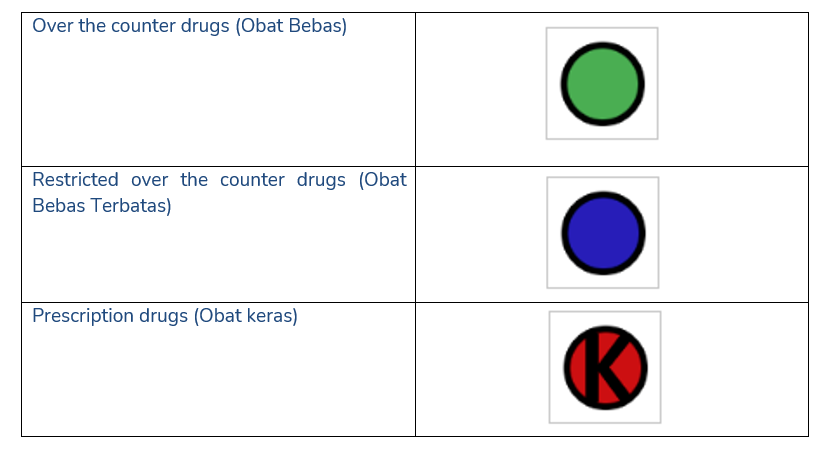
Restricted over-the-counter drugs may also be accompanied by a black box warning, outlining the risks associated with the use of the product.
2. Process to Switch from Rx to OTC in Indonesia
There is no formal process for the switch of a current prescription medicine to an OTC product. However, there are two possible pathways:
- BPOM can consider re-assessment of the classification of a medicine.
- The marketing authorization (MA) holder can submit a “major variation”. An application can be made to change its classification.
The major variation process is considered to be more efficient as this allows the MA holder the opportunity to submit new data and justifications to support the proposed change. The major variation process is described in BPOM Regulation 24/2017 [3].
A change of classification would be classified as a Category 4 change: a major variation defined as having a significant impact on aspects of efficacy, safety, and/or quality of the drug.
Timeline:
- 120 days (if the same change has been approved in a major reference market such as EU, US, Australia, Canada, UK or Japan)
- Otherwise 300 days
Data Requirements:
For the 120-day process, the following documents must be provided:
- Cover Letter
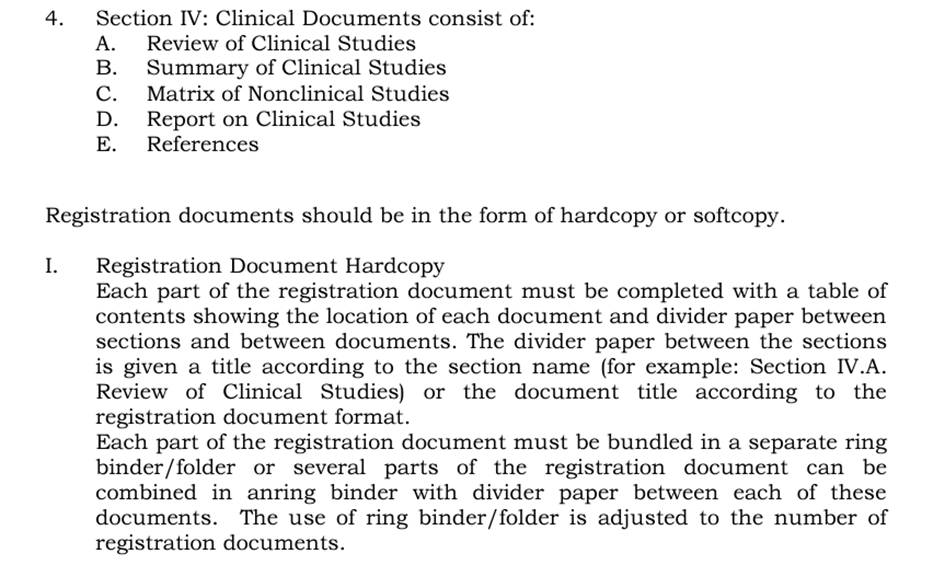
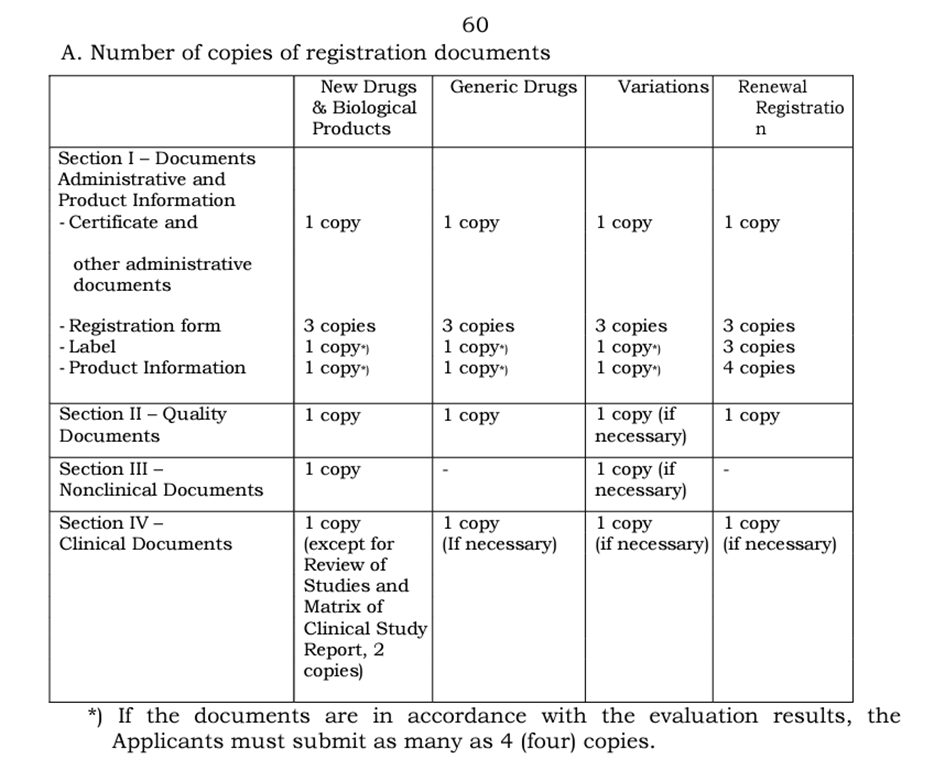
- Certificates and other administrative documents (as defined in Annex VI [4])
- Information on Marketing Authorization in another country (and evidence)
- Full assessment report from reference country in English
- Confirmation that the application contains the same product, dosing, and indications as in Indonesia
- A declaration letter confirming that the drug product quality is the same in the reference country as in Indonesia
- Confirmation that the product was approved in the reference country in the last 5 years
- Patent declarations
- Quality Overall Summary
- Information on ingredients of animal origin
- DMF or equivalent documents on the active substance
- Equivalence data (if relevant)
- Non-clinical overview and Non-clinical tabulated summary (if relevant)
- Clinical Overview and Tabulated study synopses (if relevant)
For the 300-day process, the following is a list of general documents that must be provided:
- Cover Letter
- Certificates and other administrative documents (as defined in Annex VI [4])
- Patent declarations
- Quality Overall Summary
- Information on ingredients of animal origin
- DMF or equivalent documents on the active substance
- Equivalence data (if relevant)
- Non-clinical overview and Non-clinical tabulated summary (if relevant)
- Clinical Overview and Tabulated study synopses (if relevant)
For this specific change, the following documents are considered to be of importance:
- Risk Management Plan
- Pharmacovigilance Plan
- Justification for Proposed Pack Size
- Confirmation that all other aspects of the product quality are the same as the currently marketed product
There is no information available on products that have recently switched from Rx to OTC in Indonesia.
Conclusion
Based on the review conducted of the regulations in Indonesia, there is a pathway to support the switch of a marketed product from the prescription-only classification to over-the-counter. This involves the preparation of a Category 4 Major Variation.
In order to support such an application, it is important that the sponsor takes into consideration the dosing and pack size of the product to present the lowest possible risk to patients. This information would need to be further supported by a risk management plan outlining a risk-benefit analysis. A pharmacovigilance plan would also be required.
3. References
1. BPOM Website
2. Indonesian National Drug Informatorium (IONI)
https://jdih.pom.go.id/download/product/1386/24/2017
4. BPOM Regulation 24/2017Annex VI
https://peraturan.go.id/files2/peraturan-bpom-no-24-tahun-2017_terjemah.pdf
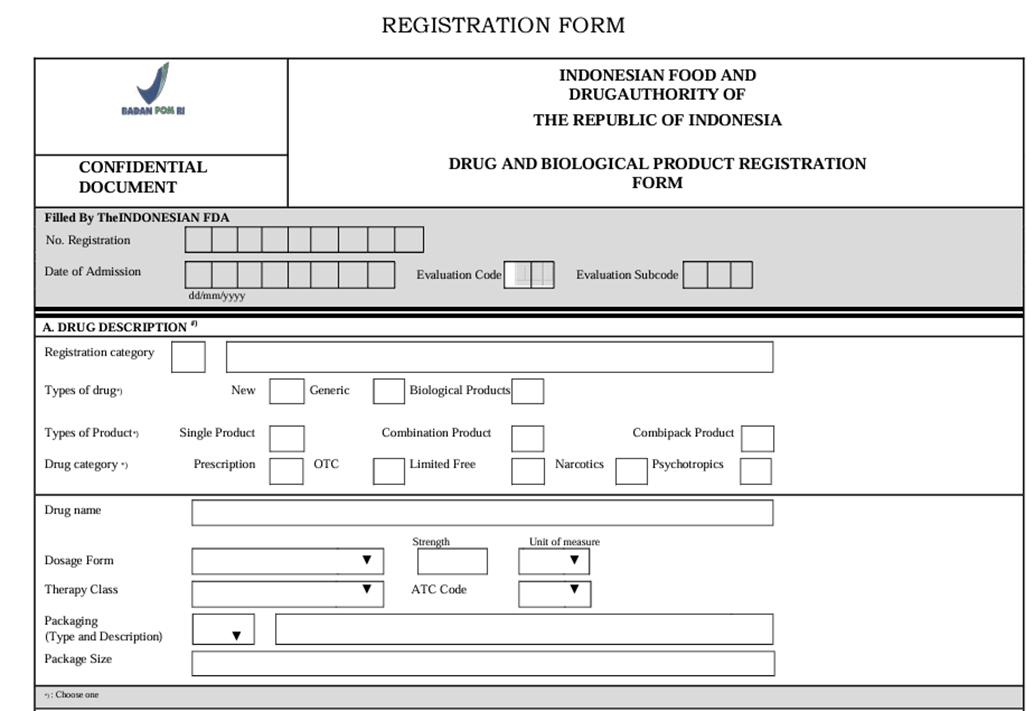
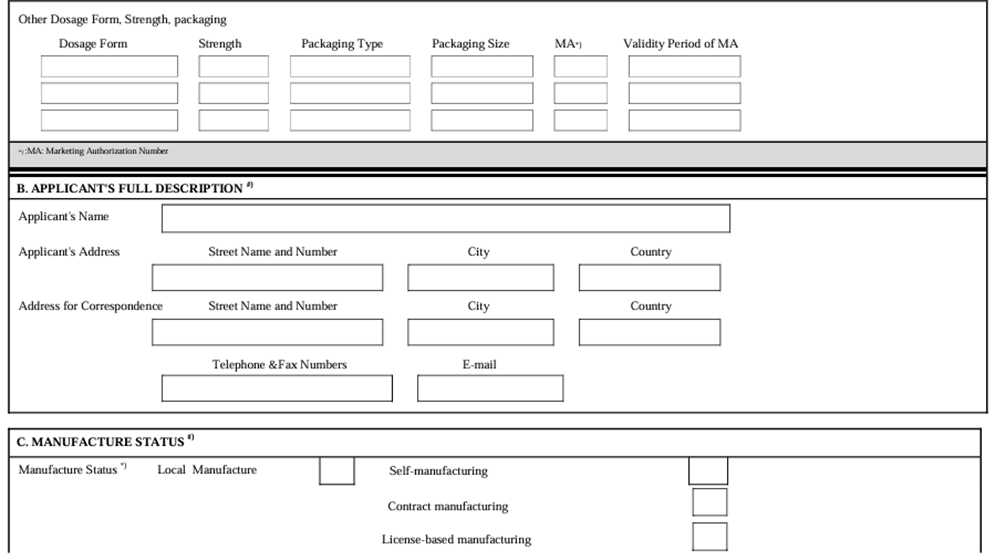
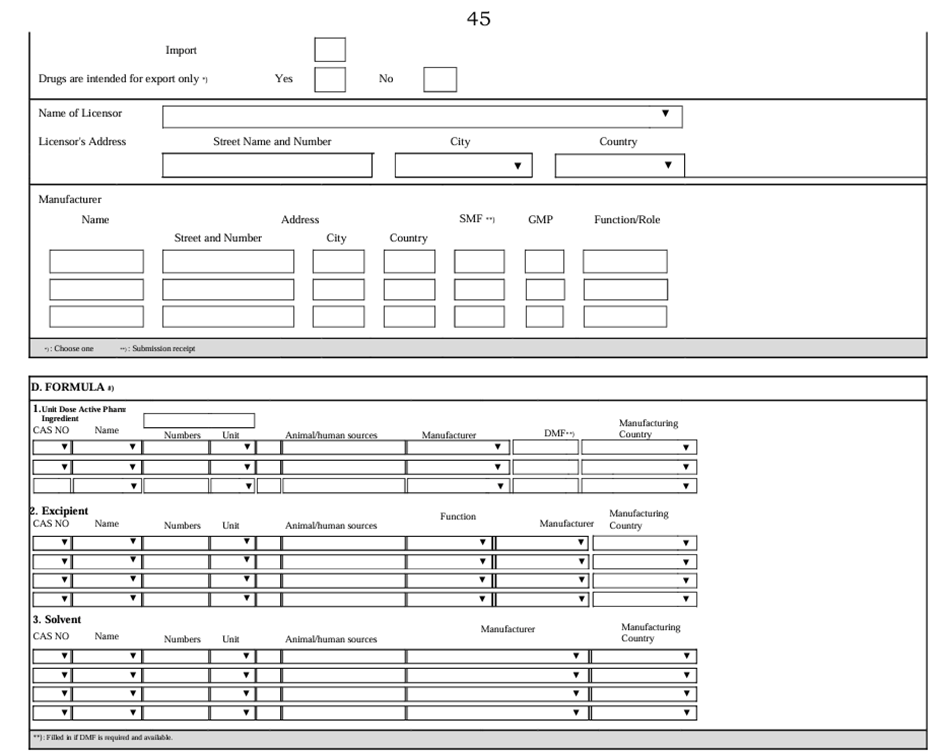
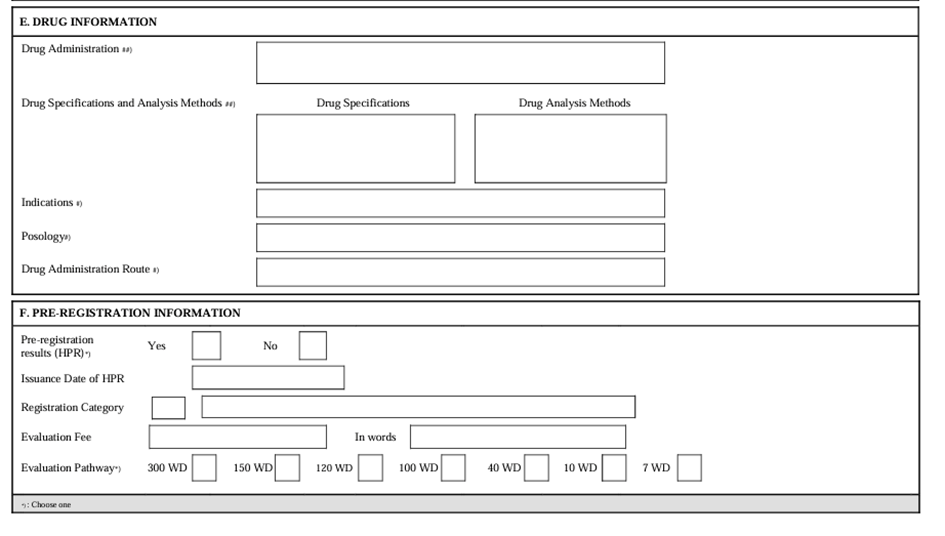
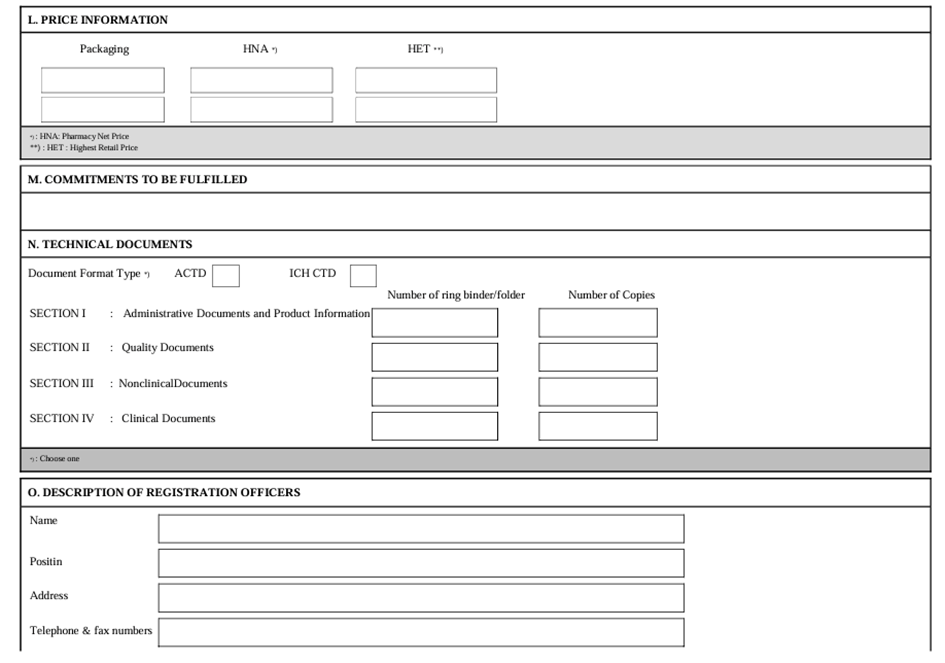
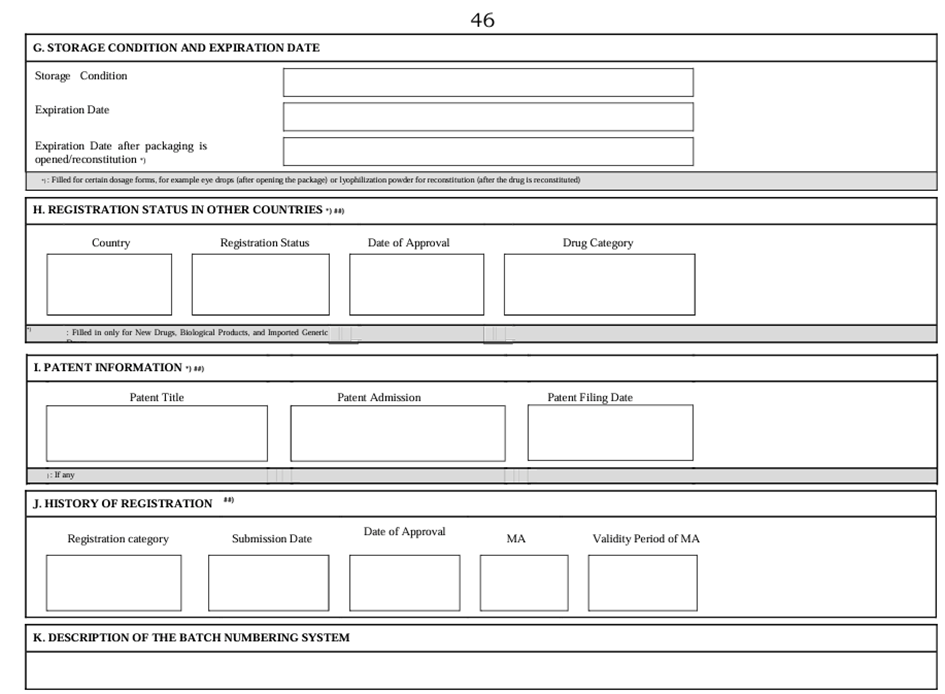
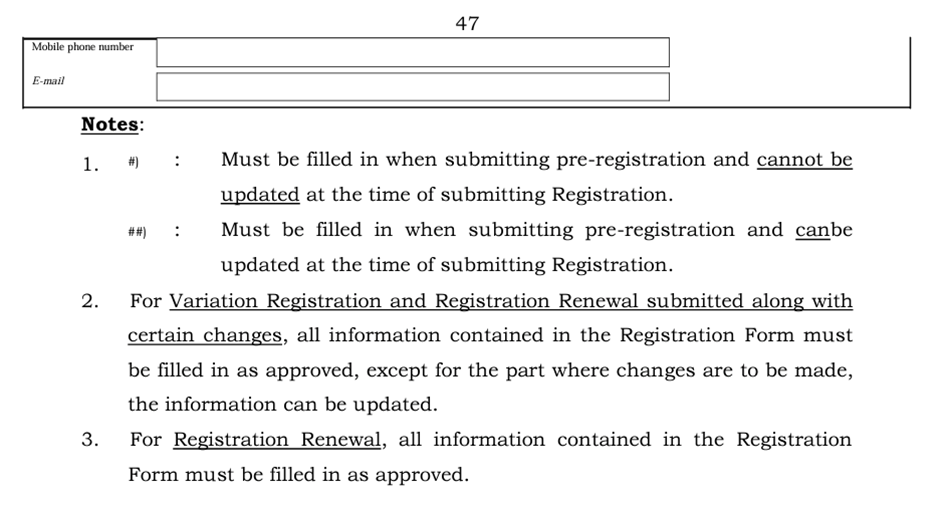
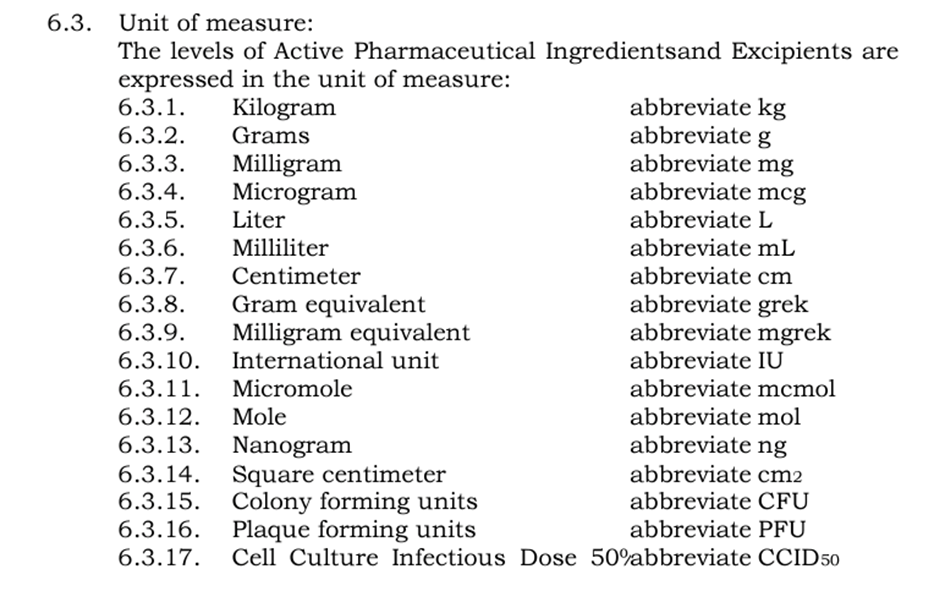
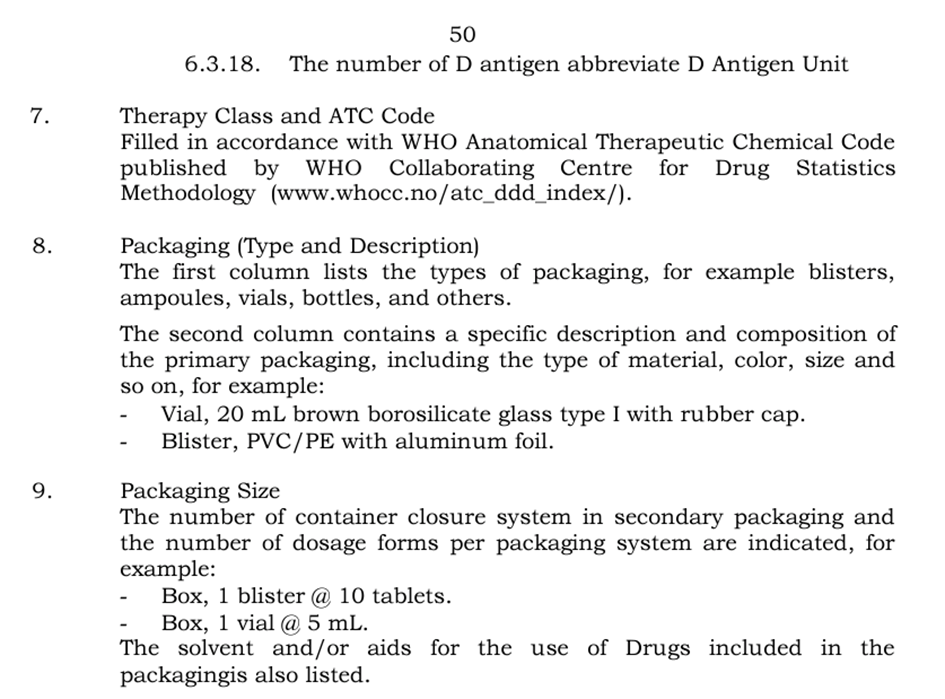
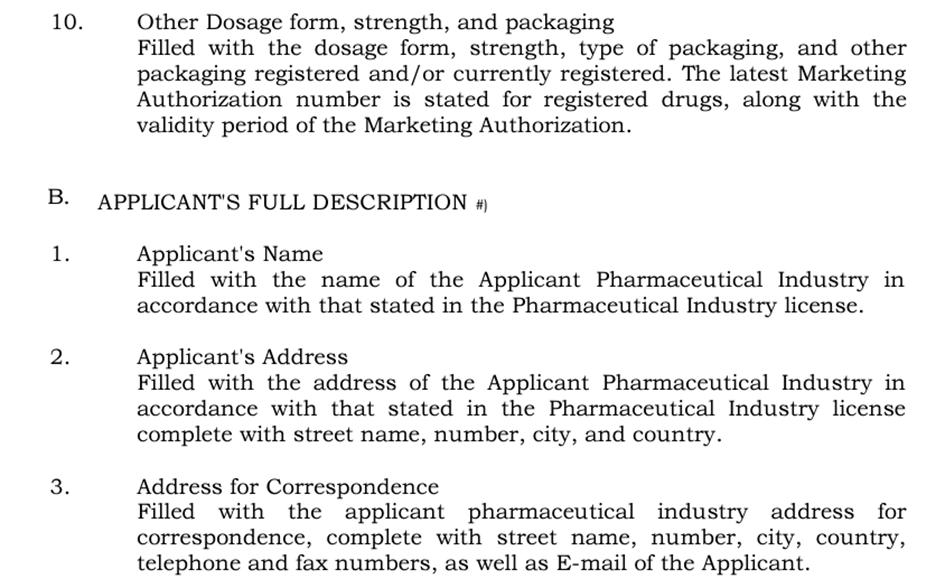
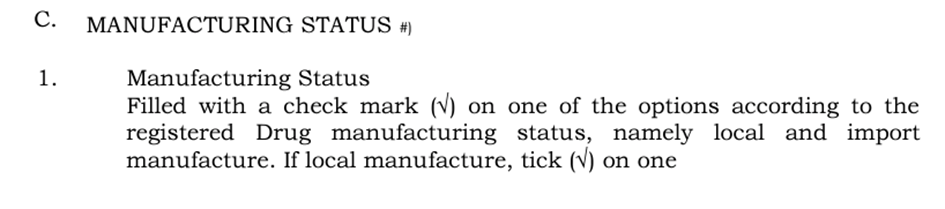
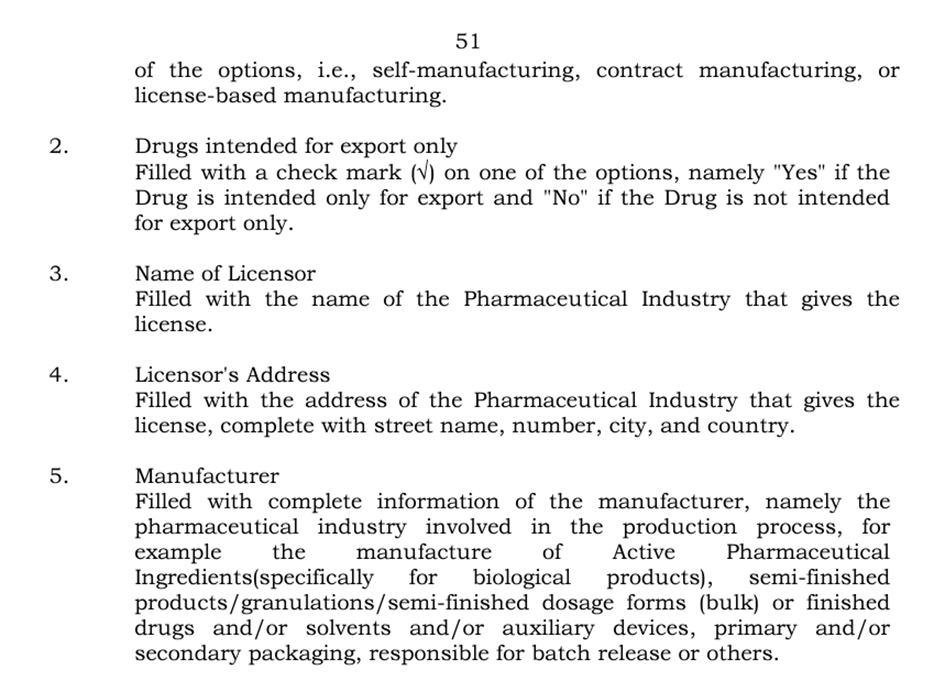
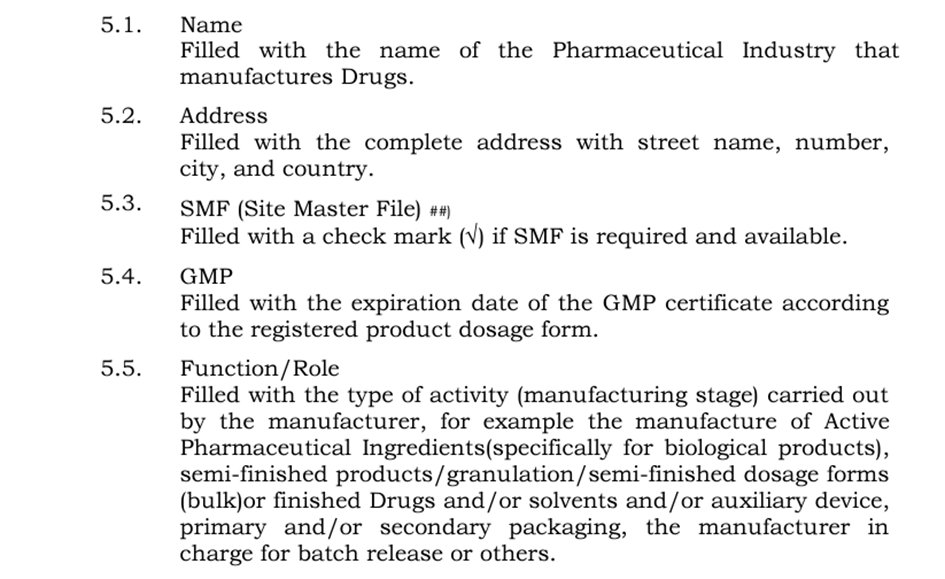
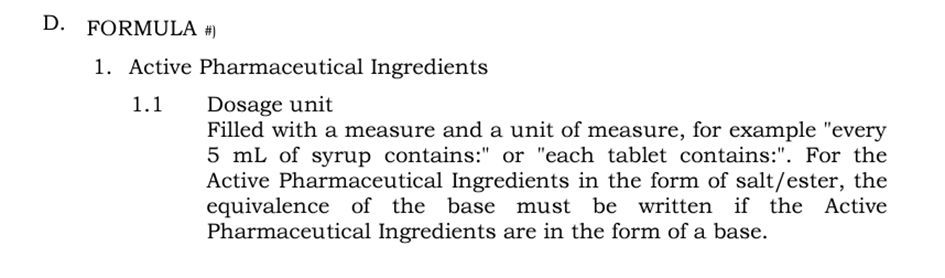
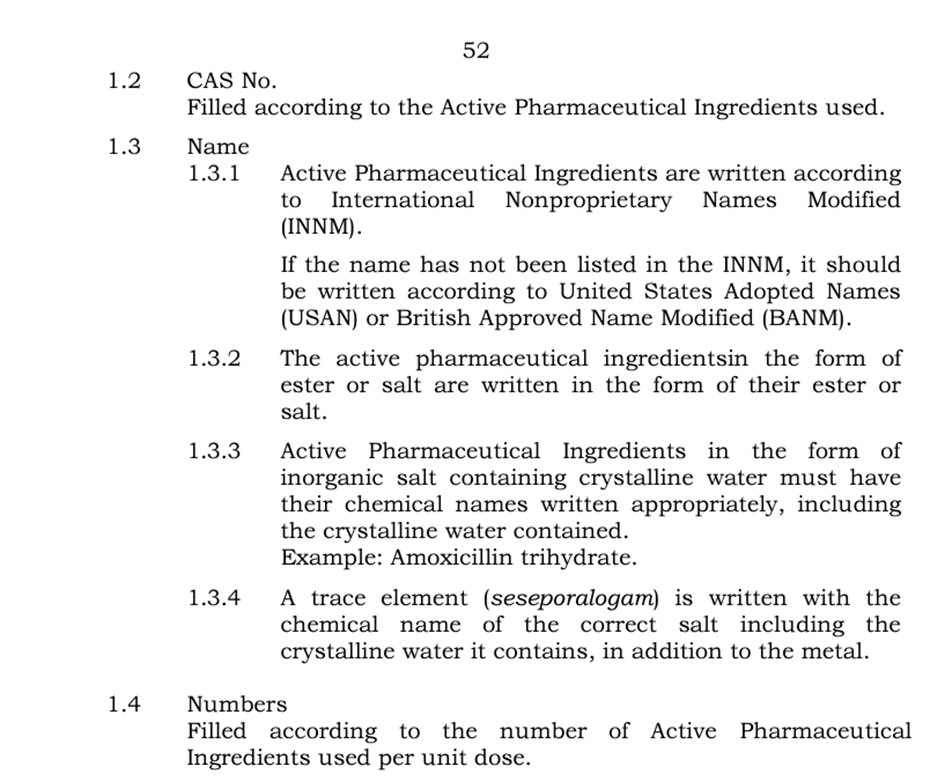
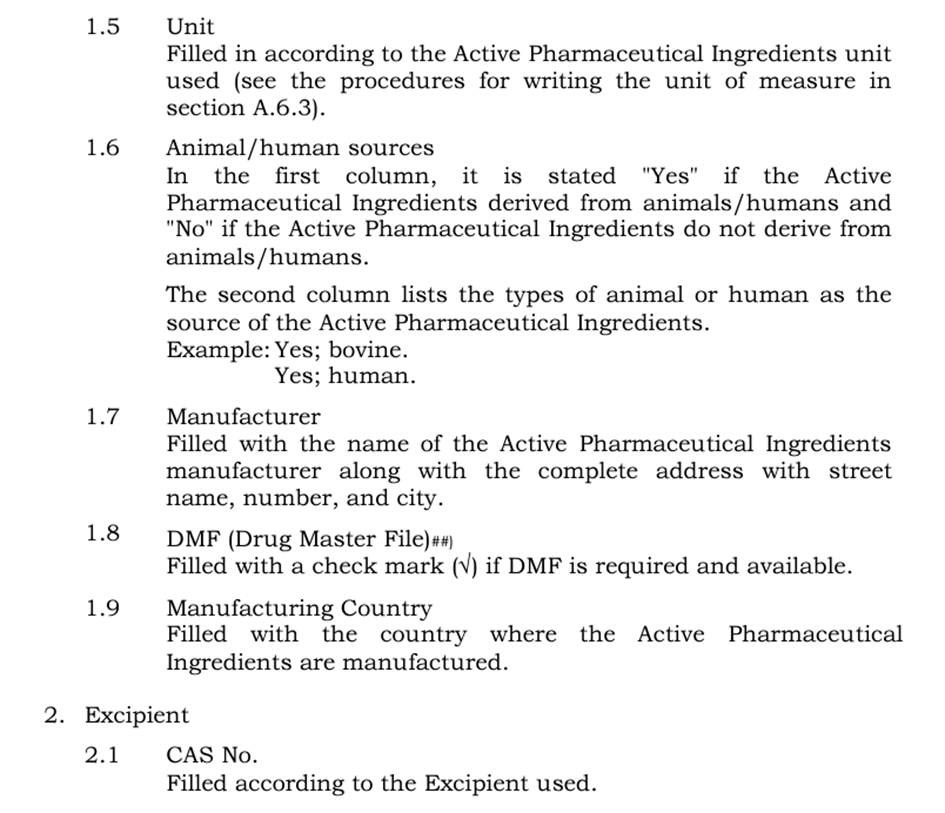
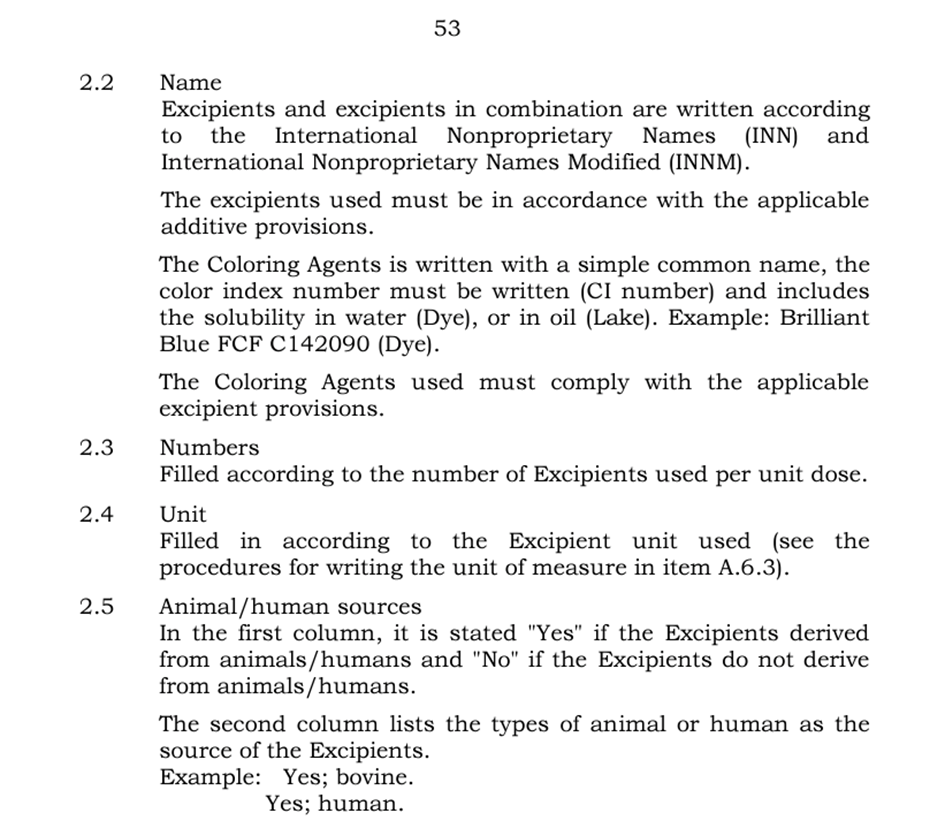
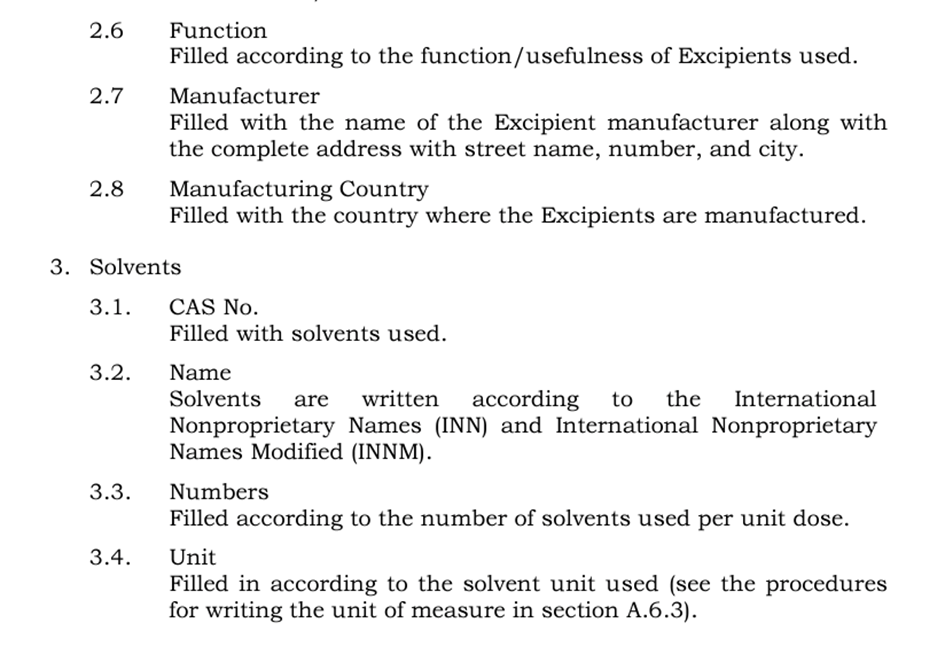
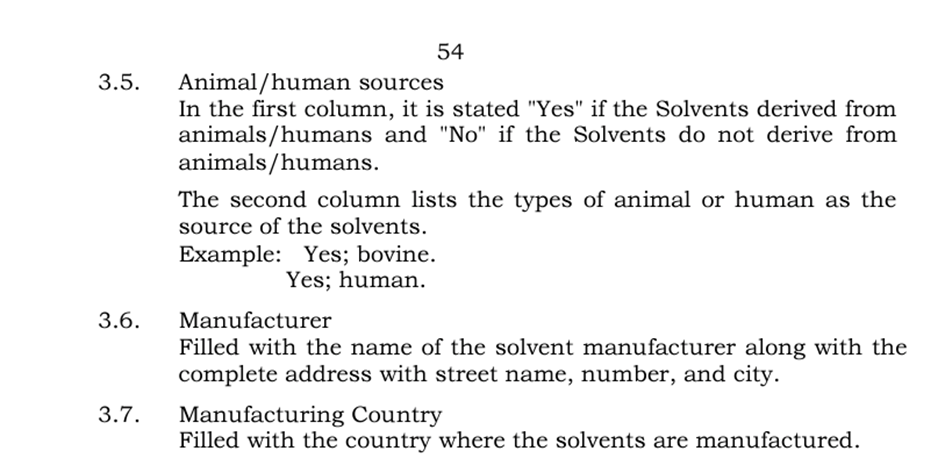
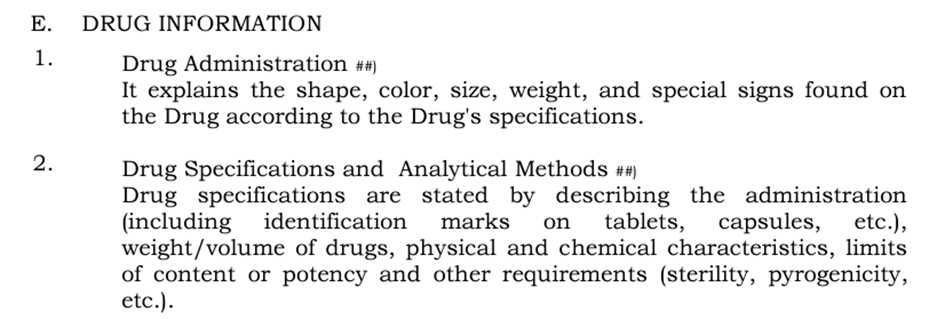
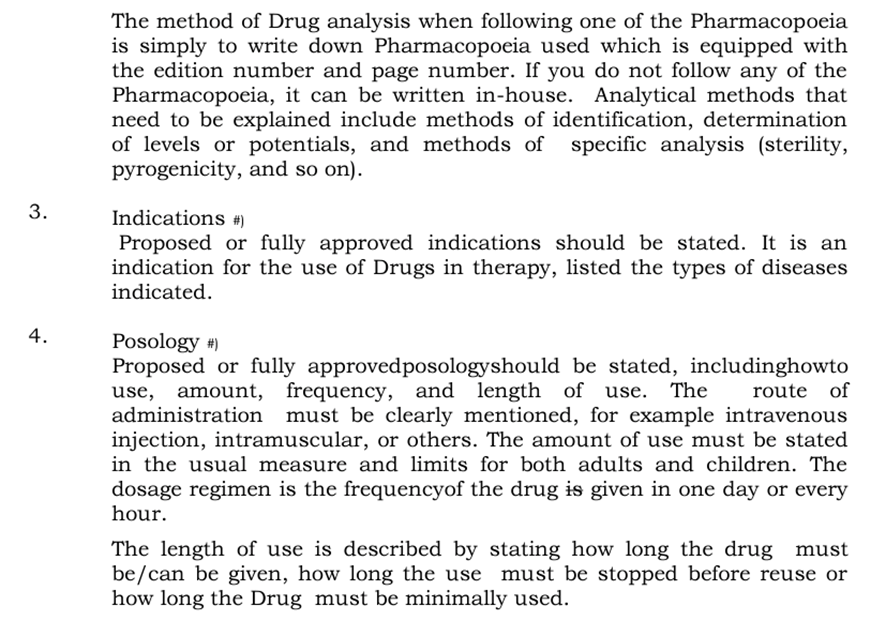
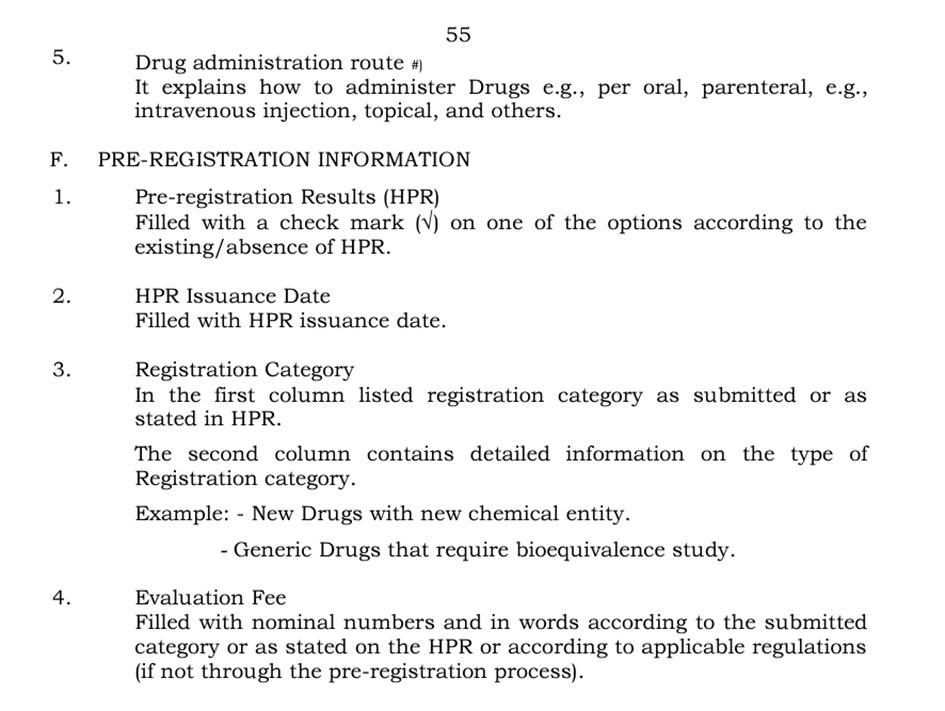
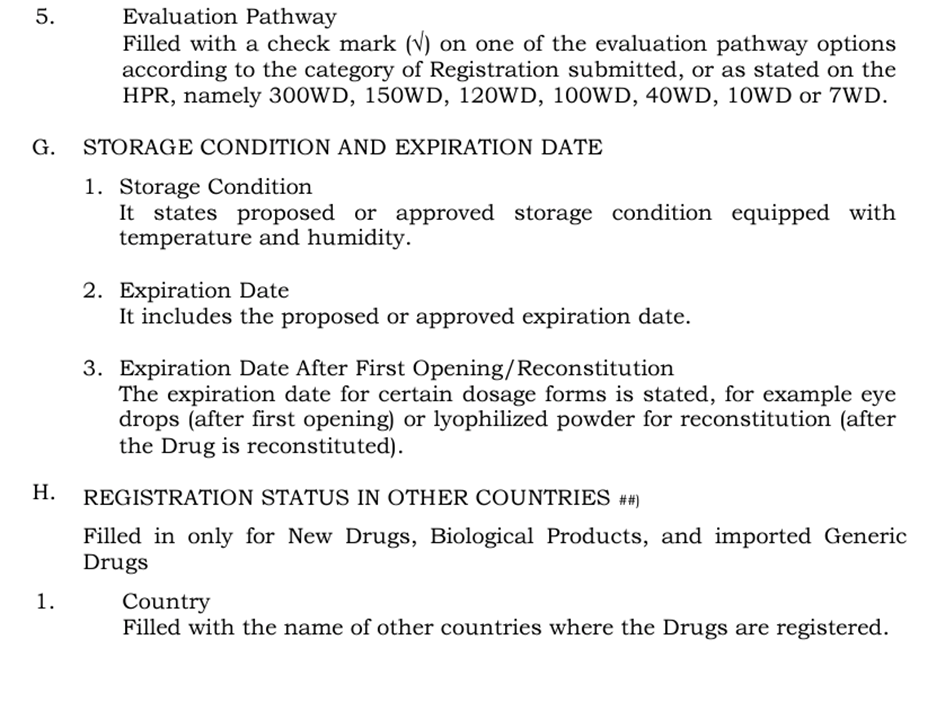
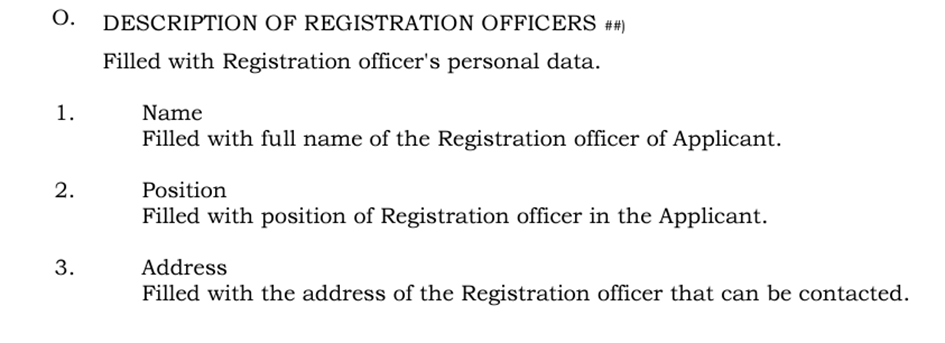
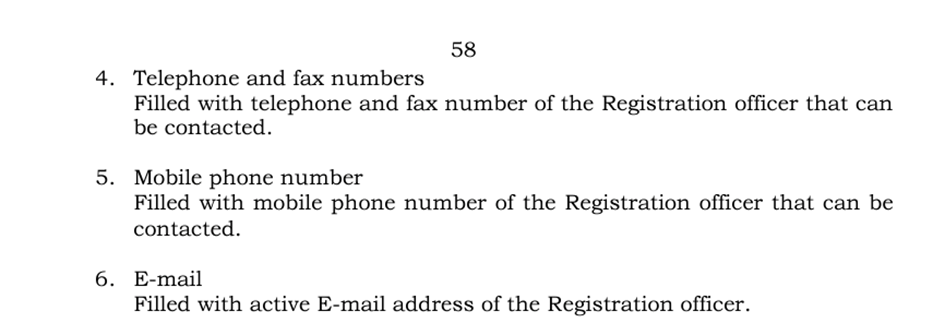
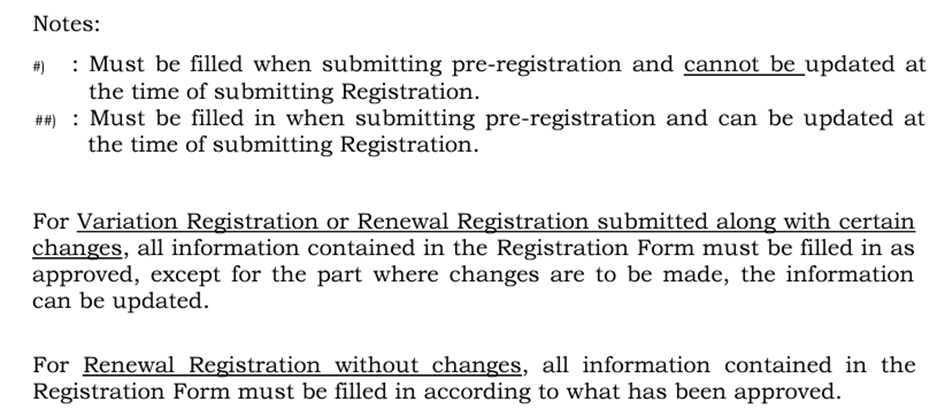
4. Appendix 1 - Drug and Biological Product Registration Form
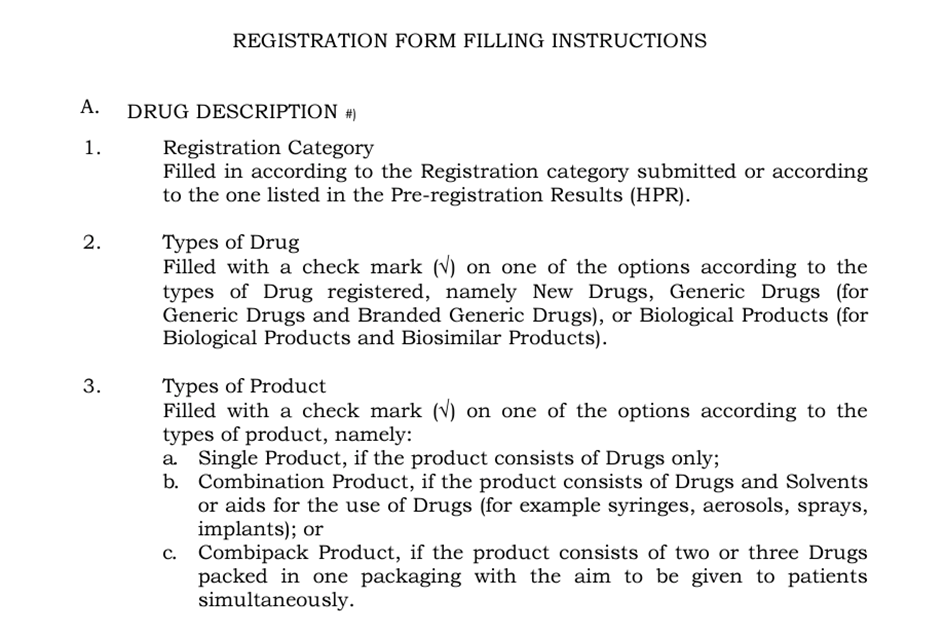
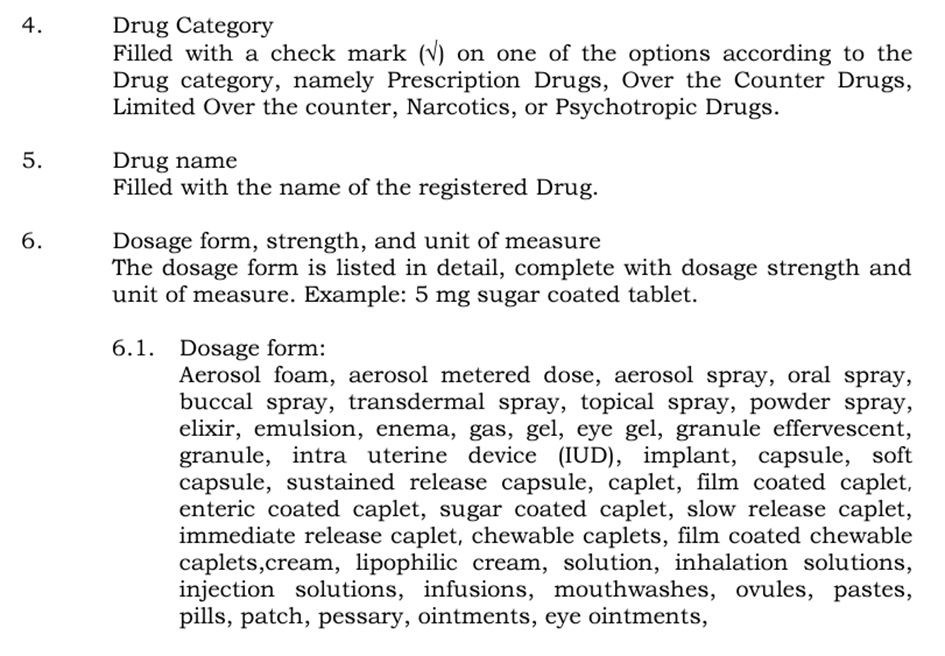
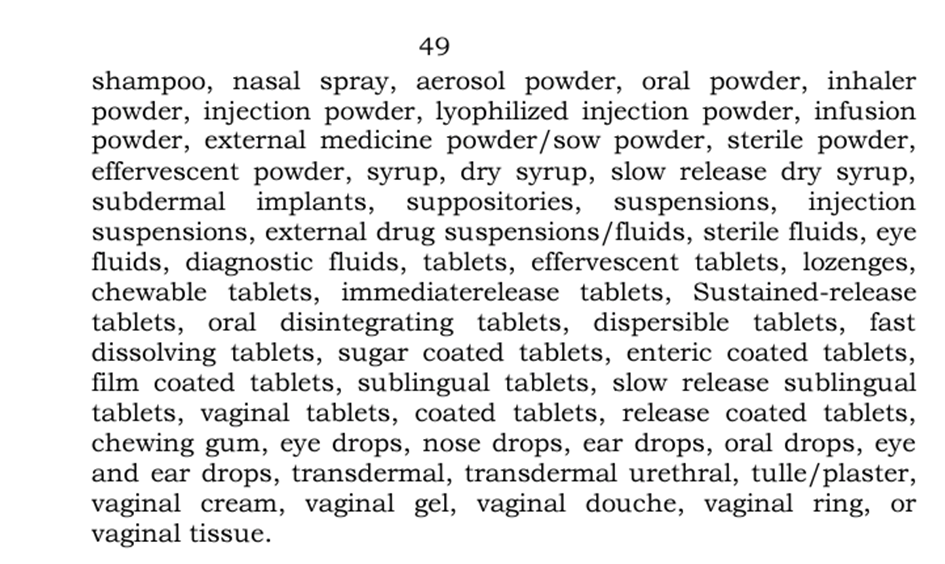
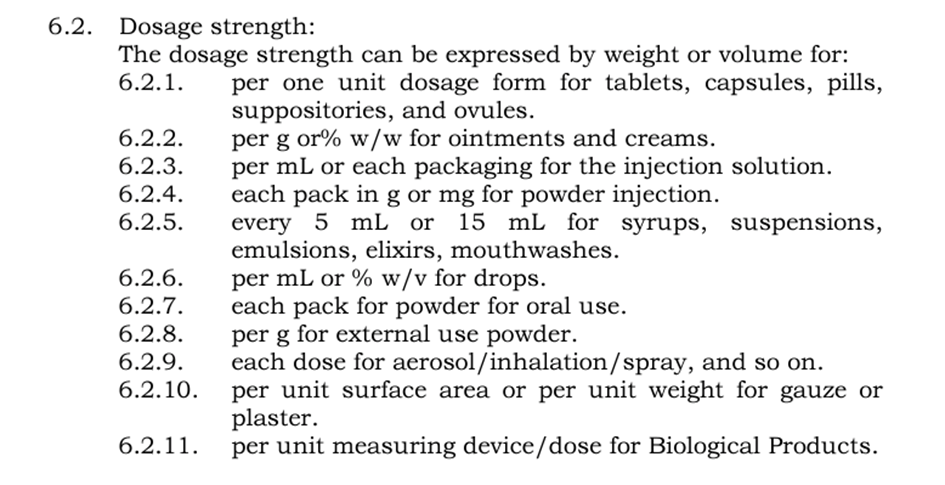
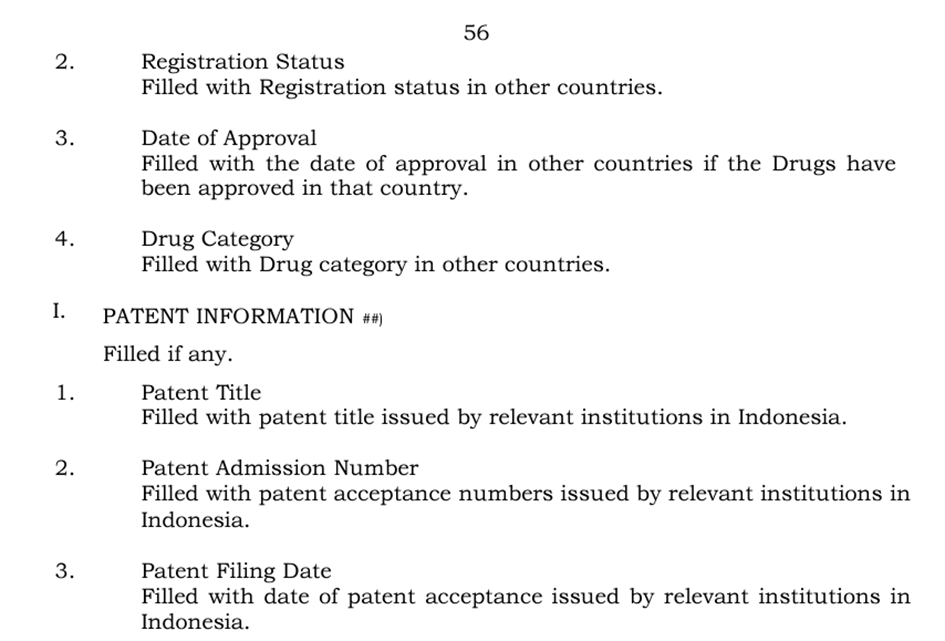
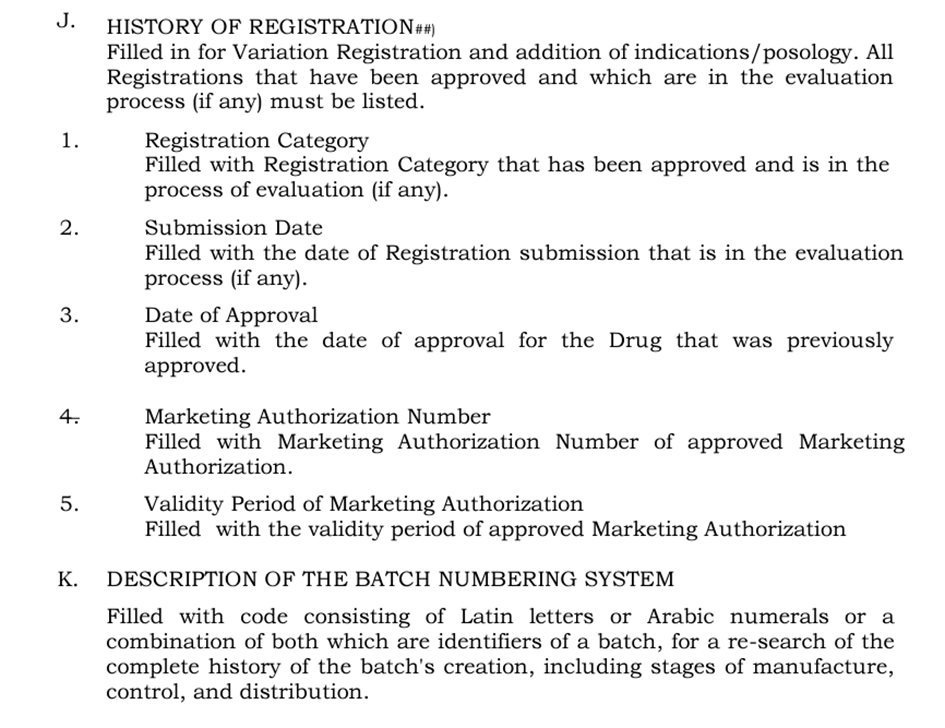
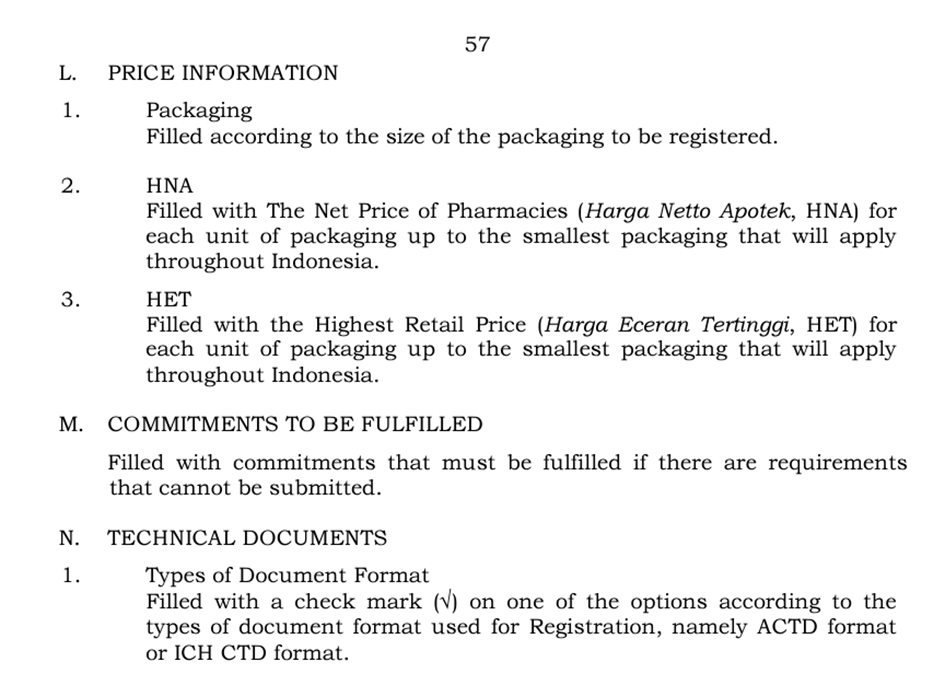
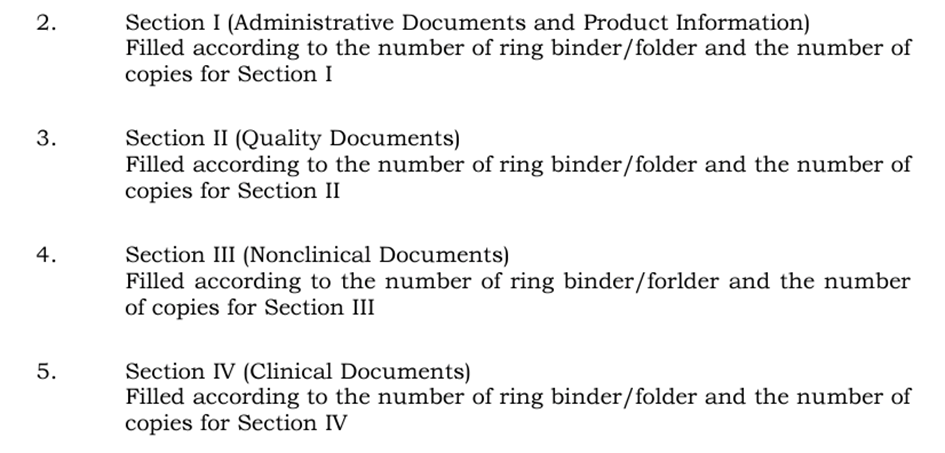
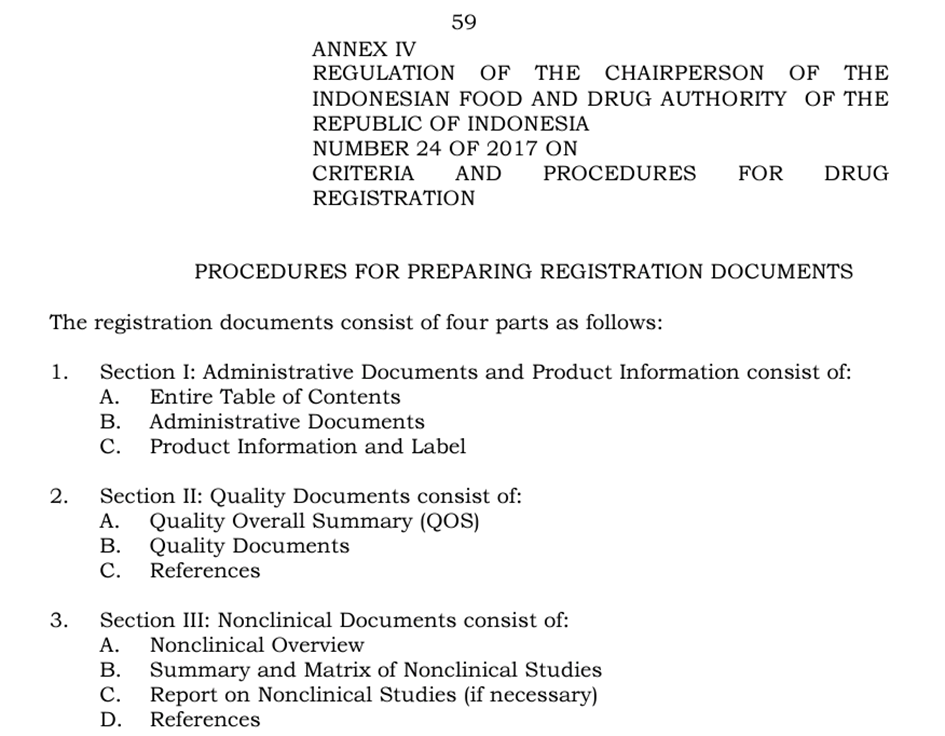
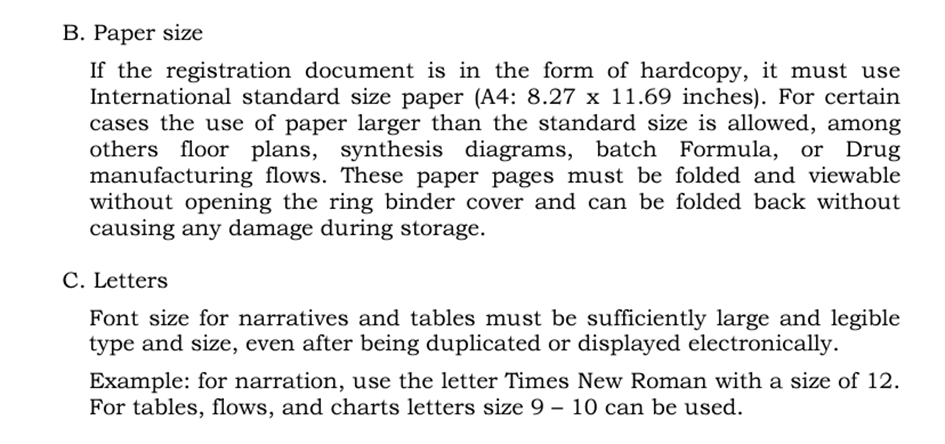
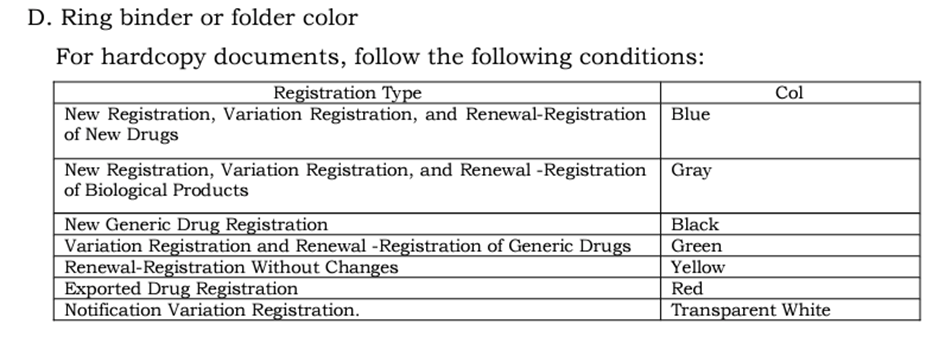
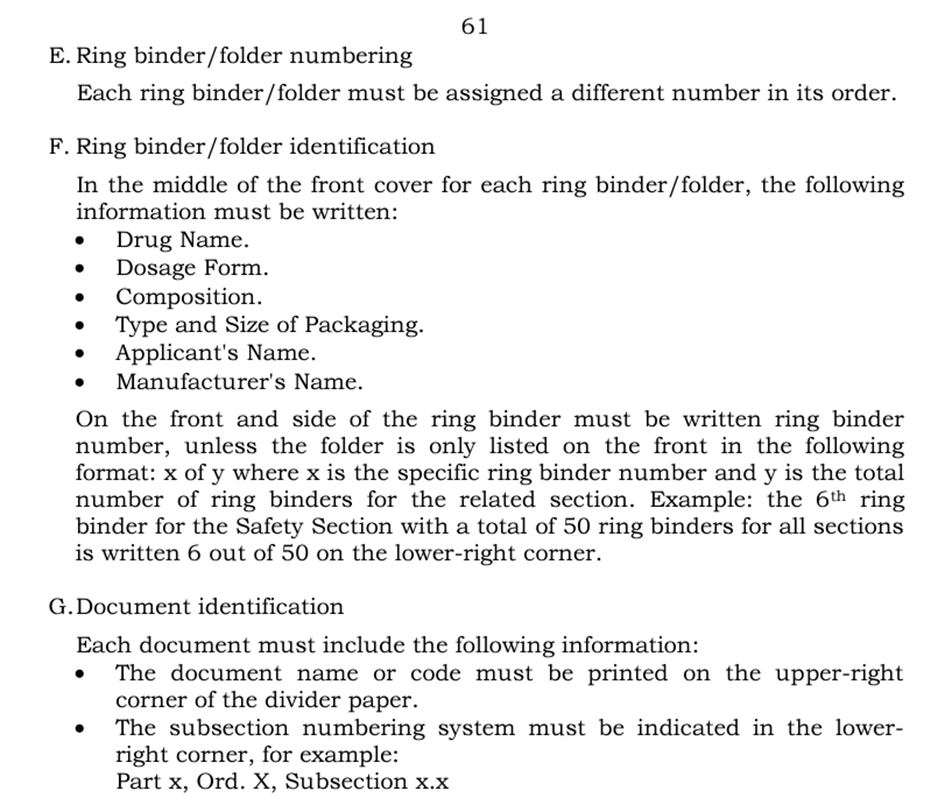
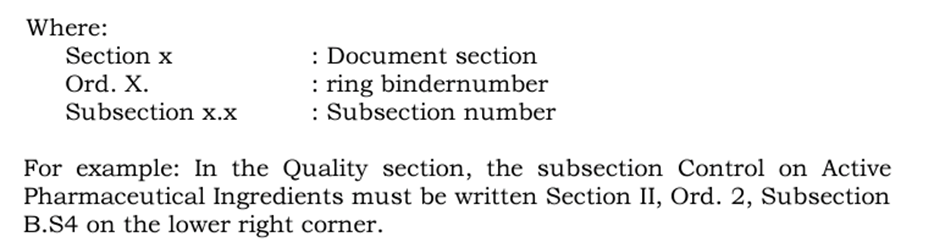
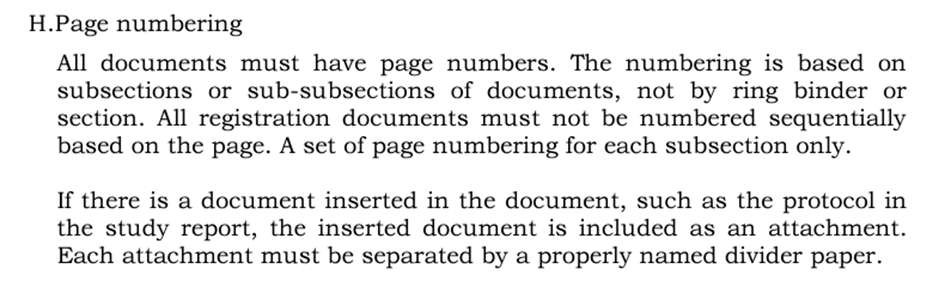
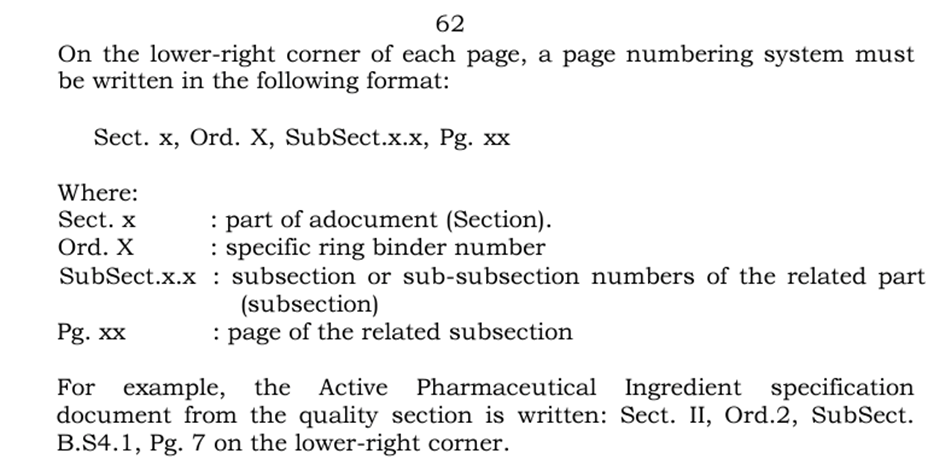
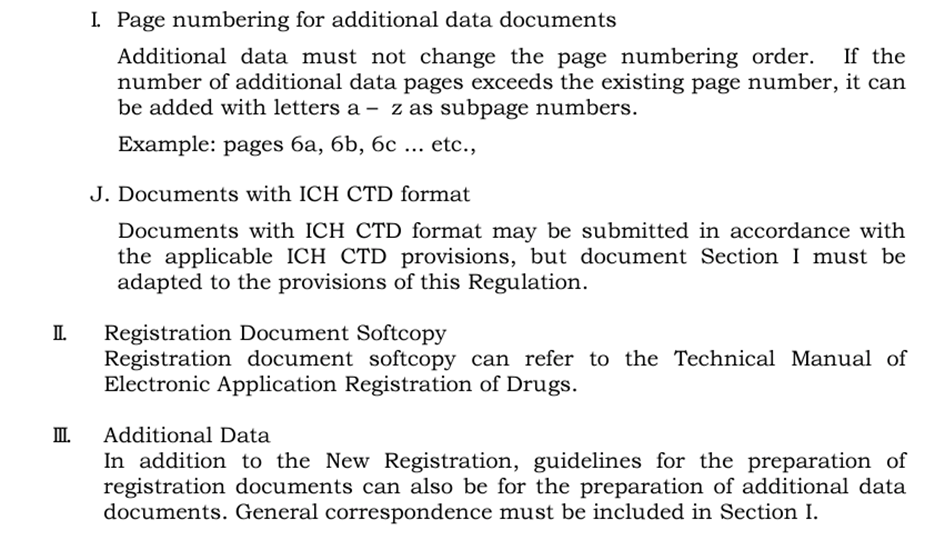
5. Appendix 2 - Procedures for Preparing Registration Documents
Was this article helpful?