
Regulations Overview - Rx to OTC
- 3 Mins to read
- DarkLight
Regulations Overview - Rx to OTC
- 3 Mins to read
- DarkLight
Article summary
Did you find this summary helpful?
Thank you for your feedback
Regulatory Overview - Rx to OTC Switch
Malaysia

The below version control table serves to document all updates made to the report. The purpose is to ensure the information is always accurate and up-to-date.
| Version Number | Content Creation Date | Publishing Date | Section(s) Updated & Reason(s) for Update |
|---|---|---|---|
| V0 | 14 December 2023 | 29 February 2024 | N/A (new report) |
Disclaimers
A) At RegASK, we are committed to providing our clients with the most up-to-date and accurate information on regulatory requirements and compliance. To ensure the highest level of accuracy and relevance, we regularly review and update our e-guidebooks at least twice per year to reflect the latest regulatory developments in the market. (Please contact us if you wish to activate this feature.) In the meantime, our RegAlerts service is designed to keep our clients notified of any regulatory updates that may impact their business.
B) The contents on this platform are exclusively intended for the use of RegASK and its authorized representatives. All materials herein are confidential and the sole property of RegASK. Any reproduction, distribution, or display of this content to others is strictly prohibited without the express written consent of RegASK.
1. Product Classifications in Malaysia
Medicinal products in Malaysia are classified according to the schedules in the Poisons Act 1952 [1] as follows:
- Scheduled Poisons contain an active substance that is listed in the First Schedule of the Poisons Act 1952 [2]
- Non-Scheduled Poisons contain active substances that are not listed in the First Schedule of the Poisons Act 1952 and exclude active ingredients that are categorized as health supplements, natural products, or cosmetics, can be obtained freely from any retailer (general sale) (e.g. analgesic drugs (paracetamol), topical antiseptics, sore throat preparations, laxatives, etc.)
Figure 1 - Classification of Pharmaceutical Products in Malaysia
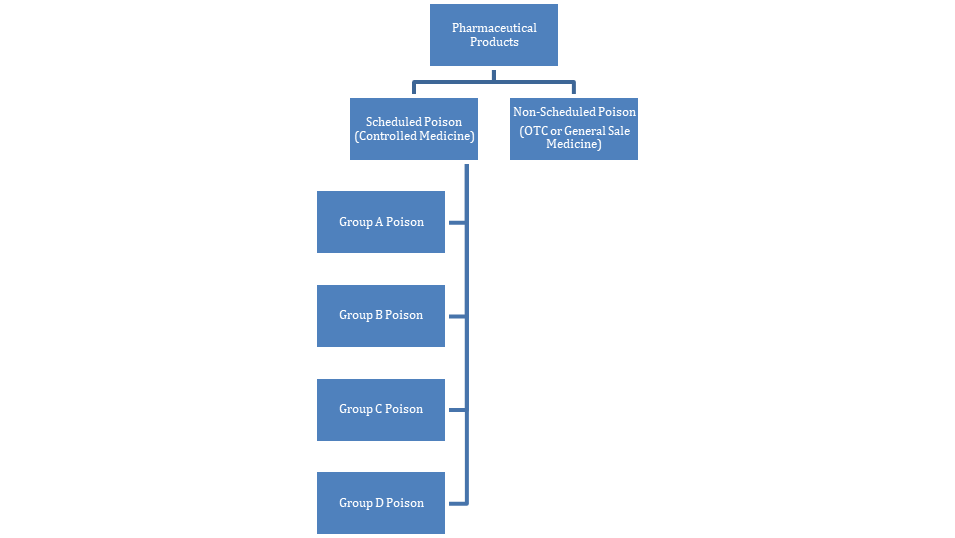
Scheduled Poisons are then further broken up into 4 categories as outlined in the table below:
Table 1 - Scheduled Poison Classifications
Scheduled Poisons Classification | Definition |
Group A Poison | High toxicity medicines |
Group B Poison | Medicines which are used in the treatment of a condition where diagnosis by a doctor is required. These medicines can only be dispensed against a prescription. |
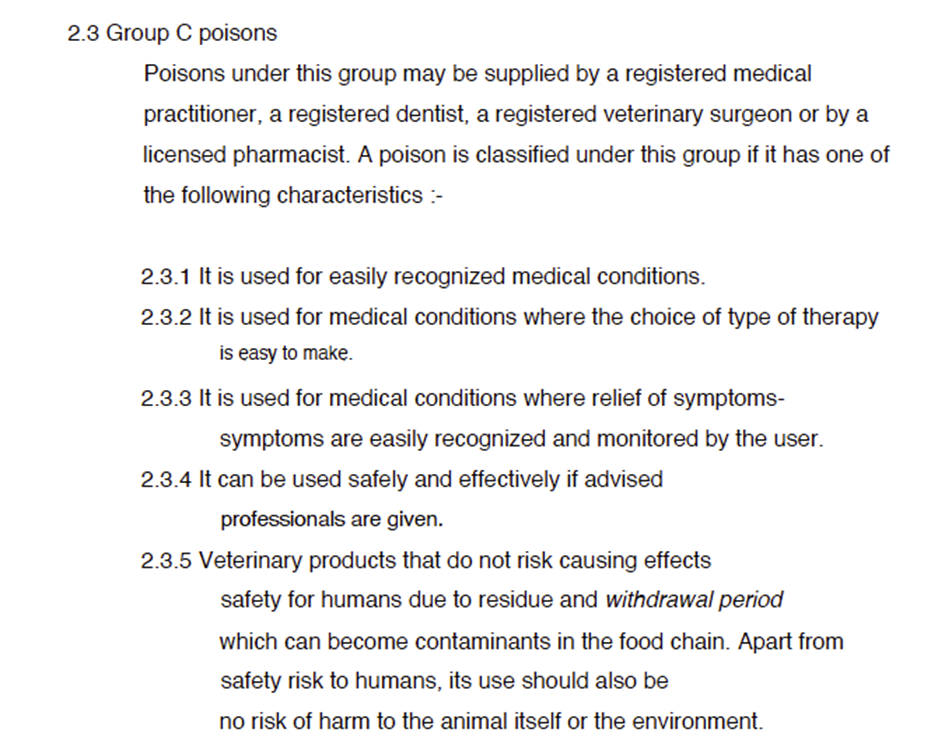
Group C Poison | Used in treatment where the symptoms are easily recognized. These medicines can be dispensed without a prescription. |
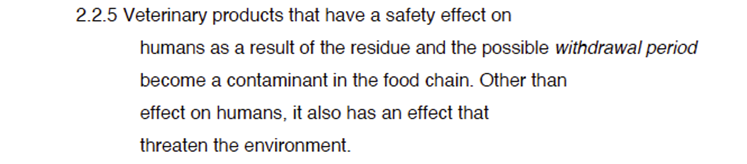
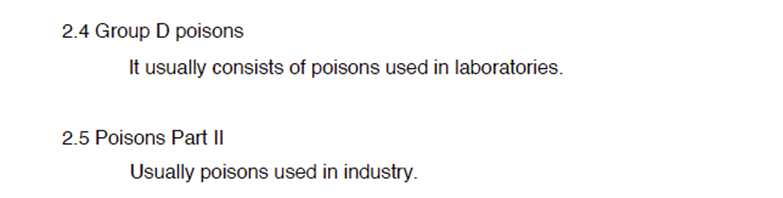
Group D Poison | Chemicals for laboratory use only. |
According to the current regulations, medicines can be legally dispensed without a prescription either as a Group C Scheduled Poison or as a Non-Scheduled Poison (as an over-the-counter medicine/for general sale).
2. Process to Switch from Rx to OTC in Malaysia
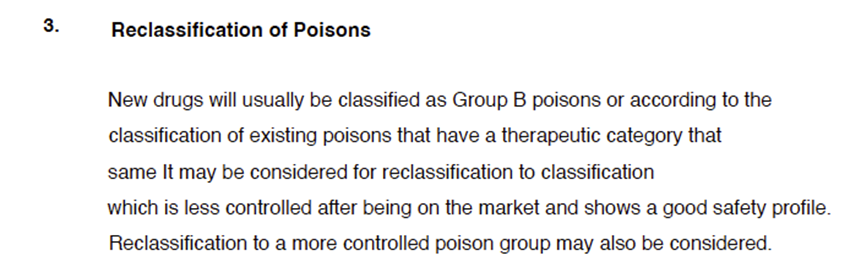
For a Group B Poison to be dispensed without a prescription, it would need to be re-classified as either a Group C Poison or a Non-Scheduled Poison.
According to Section 6 of the Poisons Act 1952 [1]:
“The Minister, may from time to time, after consultation with the Poisons Board by order notified in the Gazette, add to, remove from or reinstate in the Poisons List any substance as he may deem fit or proper, or remove from transfer to or include in any column of the Poisons List any poison, or exempted preparation or amend any definition of any poison or exempted preparation contained in such list or in any column thereof”.
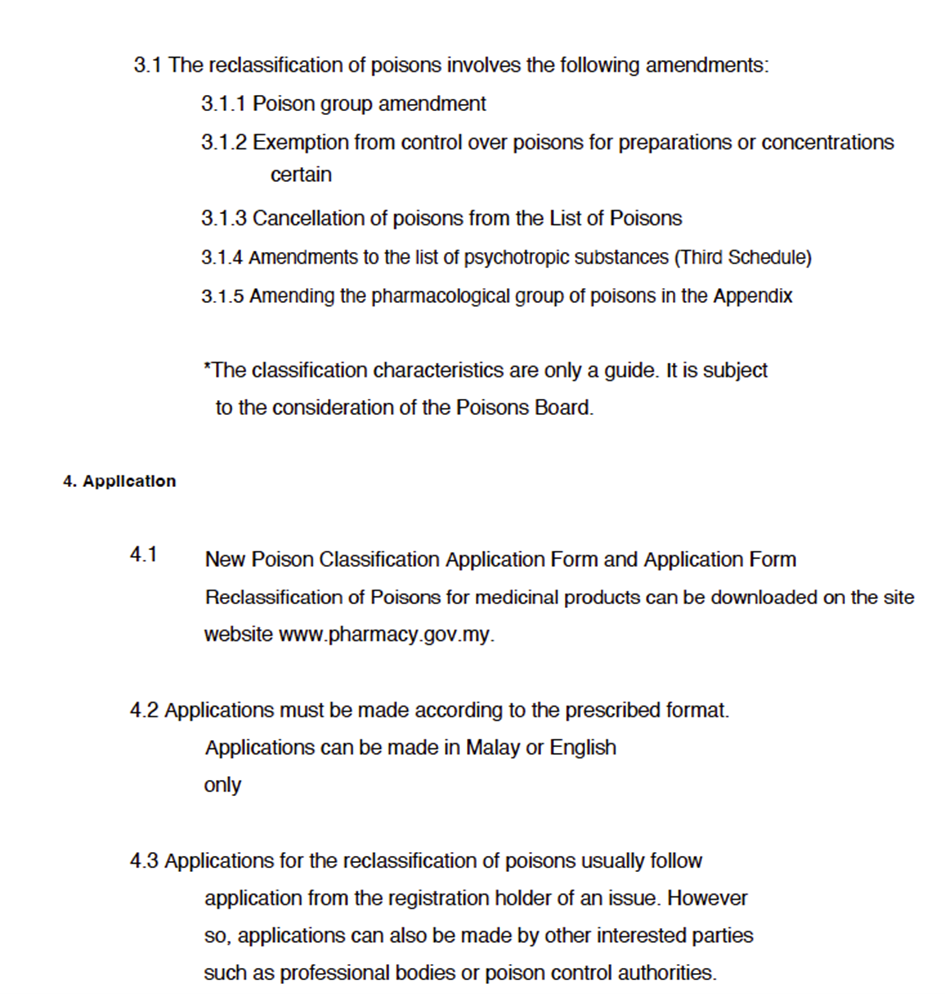
Sponsors may apply for the reclassification of a poison using the form at this link [3].
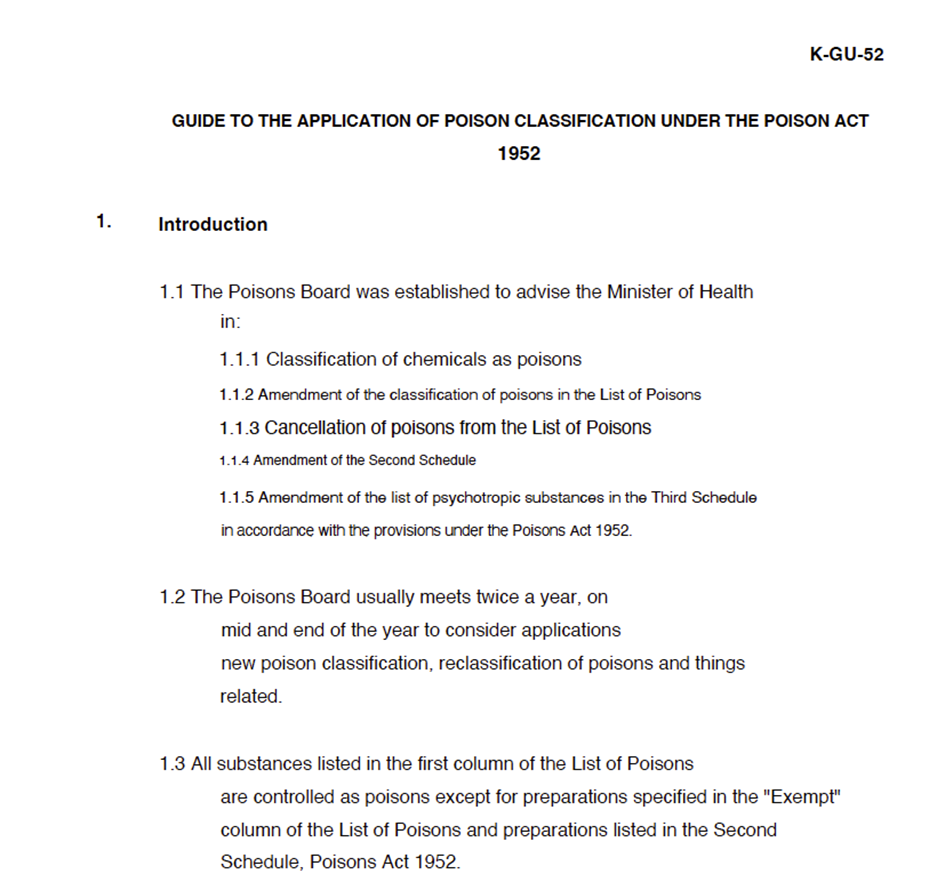
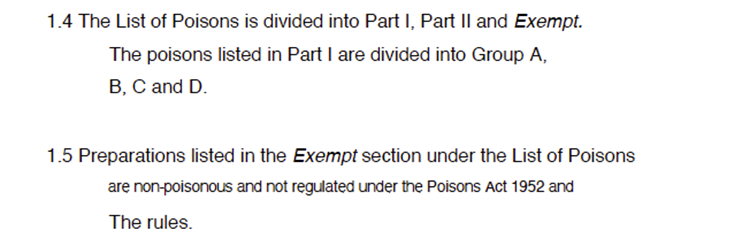
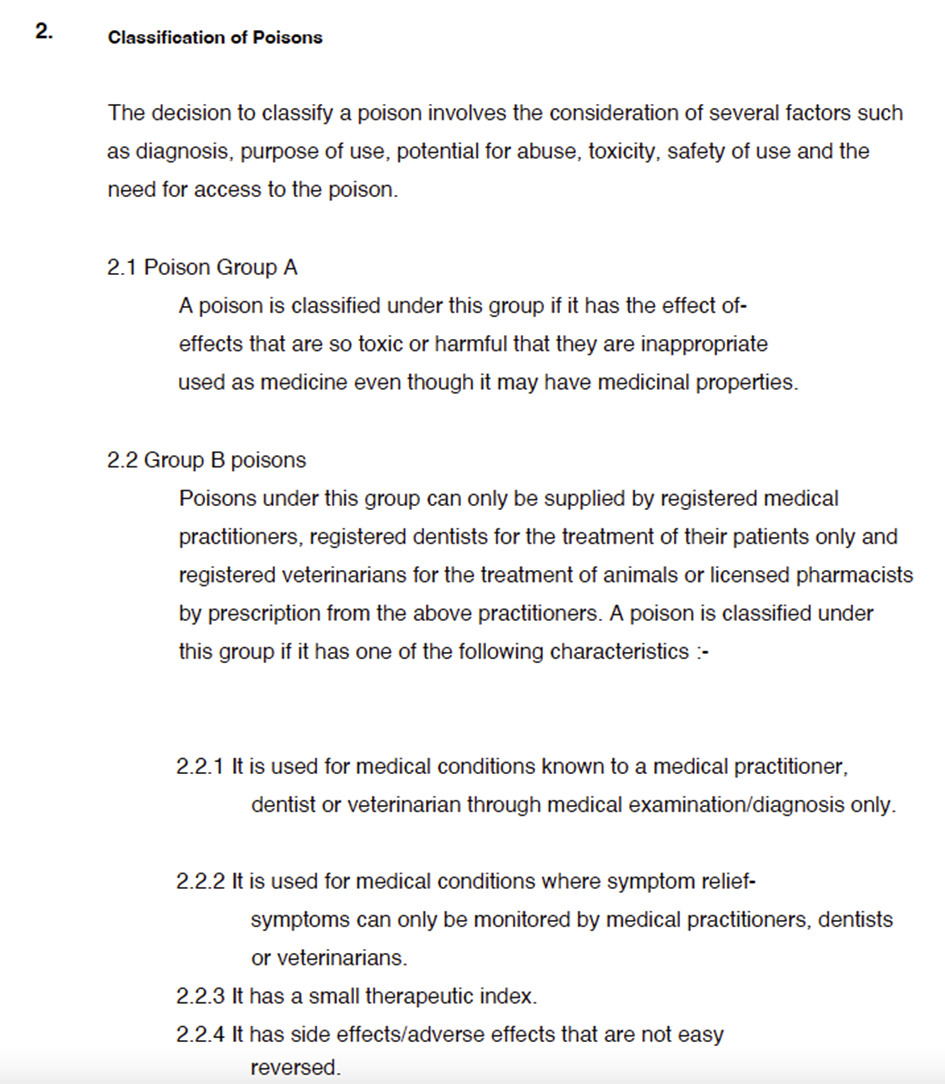
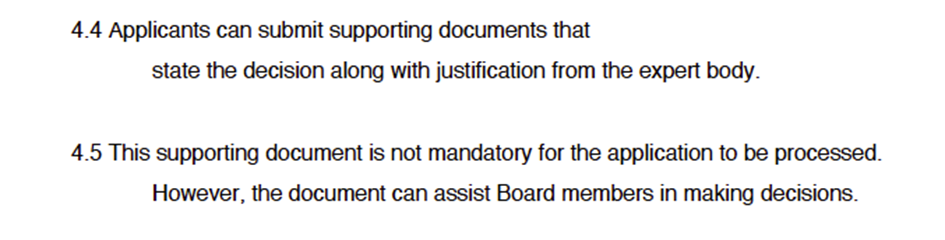
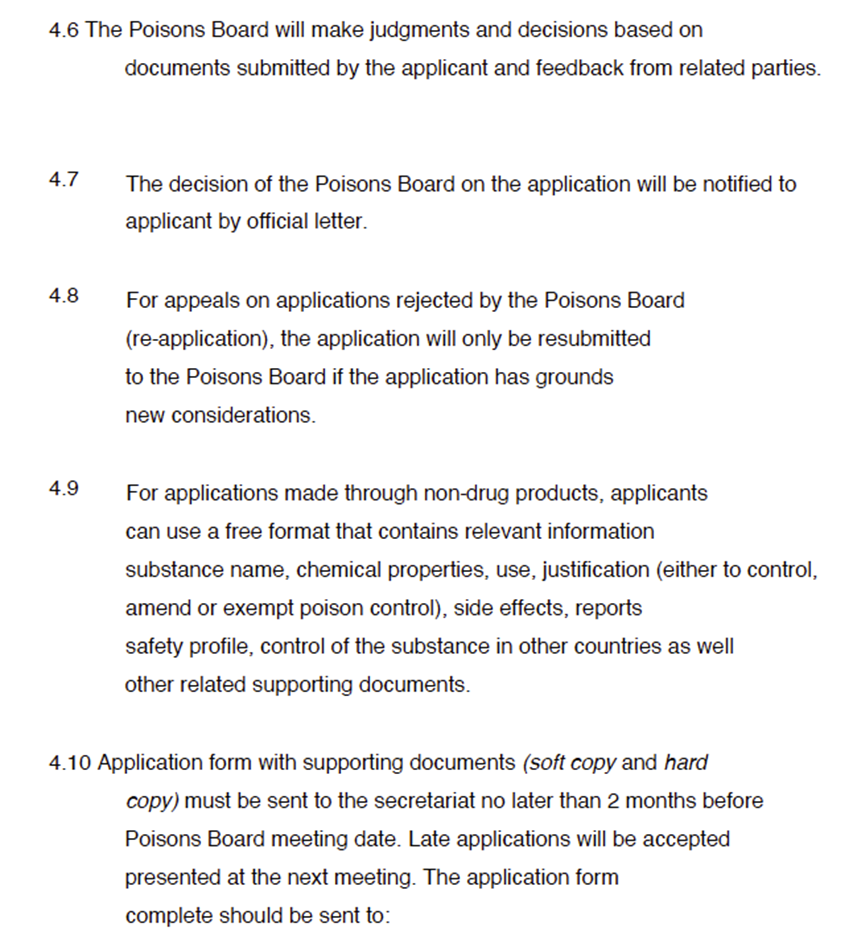
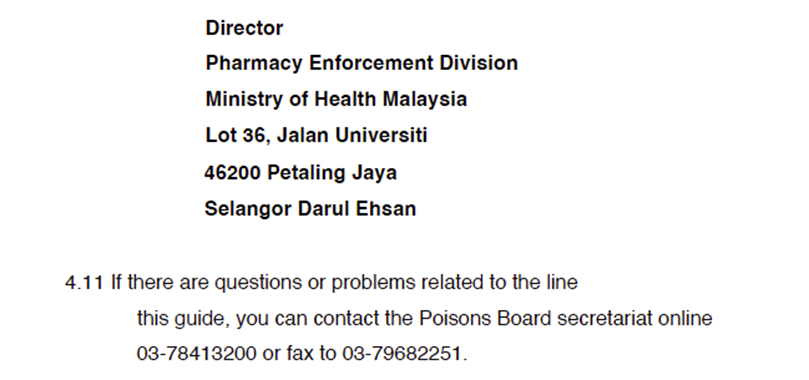
This guideline describes the process for reclassification [4]. A copy of the translated guideline is presented in Appendix 1.
It should be noted that any reclassification of a medicine will apply to all medicines containing that active substance and not just that of the sponsor who has initiated the reclassification.
Conclusion
Based on the review conducted of the drug classification regulations in Malaysia, it has been confirmed that medicines may be supplied without a prescription if the active substance is classified as either a Group C Scheduled Poison or a Non-Scheduled Poison.
In preparing a submission for reclassification, the sponsor should take into consideration the dosing and pack size of the product to present the lowest possible risk to patients.
3. References
2. First Schedule of The Poisons Act 1952
3. Poisons Reclassification Form
4. Poisons Reclassification Guideline
https://pharmacy.moh.gov.my/sites/default/files/document-upload/k-gu-52.pdf
4. Appendix - Translation of Guideline K-GU-52
Was this article helpful?