
Introduction
- 2 Mins to read
- DarkLight
Introduction
- 2 Mins to read
- DarkLight
Article summary
Did you find this summary helpful?
Thank you for your feedback
1. A Brief Understanding and History
Social enterprises have been defined as organizations or businesses with a two-fold aim – to help society develop and to make profits for sustaining themselves and/or to grow. They allow for creating long-term social impact-driven business models while making profits and providing access to basic services to people in society, especially the marginalized.
With the spirit of service and humanity being deep-rooted in the heart of Indian culture, this principle was bound to be carried forward by the generations to come. For centuries this has manifested itself through religious practices like zakat in Islam, daan in Hinduism, and in Christianity, Jainism, and Buddhism through voluntary activities like setting up healthcare, offering food and shelter, etc. [1]
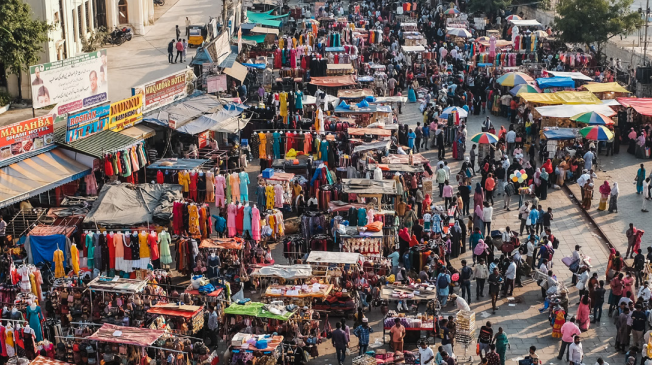
The COVID-19 pandemic has paved the way for a theatrical situation among social enterprises. This is especially with regard to them being able to correctly measure the burden of socio-economic problems in communities, protect their own viability and existence, and respond with timely psychological, social, and strategic first aid to the most vulnerable sections of society. [4] This biggest problem was a potential golden opportunity for social entrepreneurs to call for a makeover. It can be said that India has been on the verge of a social impact revolution given the present convergence of India’s innovation, governance, and entrepreneurship ecosystem.
2. Social Enterprises and Technology
India has one of the most dynamic social entrepreneurship ecosystems present globally and is home to around two million small and growing social enterprises. These are chiefly for-profit, which engage with low-income populations to address challenges of access and affordability in several sectors. [5]
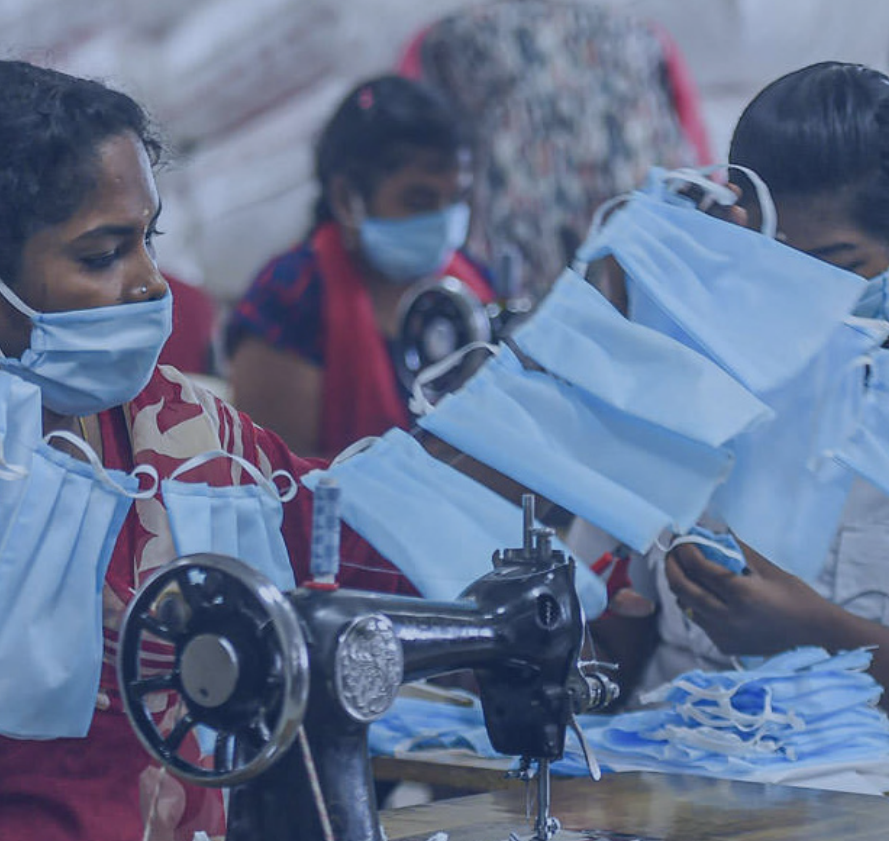 The COVID-19 pandemic has, however, led to a series of significant impacts on these ecosystems. These include breeding operational, socioeconomic, and psychosocial pressures on their resources and forcing them to make changes in their practices and processes. Social enterprises are relying more than ever on technological aides and digital innovations as the number of digital transactions has soared 5 times higher and 80% more than what it was since the lockdown [7], in addition to India becoming the third-largest tech start-up hub in the world [8].
With this in mind, a landscape study was conducted in the first and second phases of the lockdown to transform this crisis into an opportunity for social enterprises in India. This was an opportunity to reflect on the trial of a more digital world and to become resilient, sustainable, inclusive, and innovative while adopting technology in their working models.
Was this article helpful?